How to Plan a Landscape Design That Works With Douglas County Slopes in Roseburg, OR
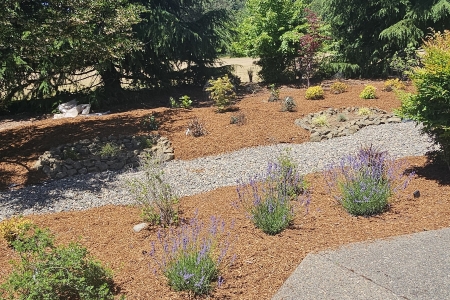
Hillside homes around Roseburg have big views and big challenges. Wet winters, dry summers, and the rolling terrain from Hucrest to Melrose and Green mean your yard needs a plan built for a slope. If you want a beautiful, low‑stress yard that holds up season after season, start with expert landscape design services from a team that understands the Umpqua Valley. It is the smartest way to approach landscape design Roseburg OR homeowners can count on.
In this guide, you will learn how pros shape a plan that manages water, builds usable spaces, and selects the right plants for Douglas County hillsides. You will also see how safe access, maintenance, and smart phasing keep your project on time and on track.
Why Slopes Need a Different Landscape Design in Roseburg, OR
Designing a flat lot is one thing. Designing a hillside near the Umpqua River corridor is another. Slopes change how rain moves, how sun and wind hit the ground, and how roots hold soil. South‑facing slopes bake in July. North‑facing slopes stay cool and damp well into spring. Clay pockets and rocky seams are common across the valley, so soils can swing from soggy to hard in the same yard.
Because of this, the plan must handle three essentials from day one: where water goes, how people use the space, and what holds the soil. Get those right and the rest falls into place.
A Pro’s Plan for Your Hillside, Step by Step
1) Site Assessment That Maps Your Slope
Your designer begins with grades, drainage paths, and soil checks. They note views to frame, neighbors to screen, and utilities to avoid. Simple sketches become precise measurements so every wall, step, and planting bed fits the land.
2) Drainage Strategy Comes First
All successful hillside projects start with water management. Surface flows get guided by shallow swales and outfalls. Subsurface water may need collector drains behind walls so hydrostatic pressure does not build. In short, water always wins, so the design must steer it gently and safely away from structures and living areas.
3) Terraces and Retaining Structures
Usable space on a slope is created by level pads and stable edges. That often means a series of small terraces instead of one tall platform. When the grade demands a structural solution, your designer coordinates engineering and layout for retaining walls that look great and support the soil. Exact requirements vary by site and materials, so your team will advise what fits your property.
4) Plant Palette Matched to Microclimates
Plants on a slope do more than decorate. Roots knit the soil, while foliage slows rainfall. Your plan clusters plants by sun, wind, and moisture so they thrive with less fuss. That means deep‑rooted shrubs on the steepest banks and groundcovers where you need a living carpet to lock in topsoil.
5) Access, Lighting, and Safety
Steps with even risers, mid‑run landings, handholds where needed, and low‑glare lighting let everyone move confidently. On steeper paths, tread textures and gentle switchbacks reduce slip risks. This is all planned on paper before a shovel hits the ground.
6) Approvals and Neighbors
Some sites need reviews or permits, depending on structures and location. The exact process varies. A good designer will guide you on what applies to your project and handle coordination to keep things moving.
Smart Drainage and Erosion Control on Hillsides
The goal is to slow, spread, and soak water without creating problem spots. Your designer chooses solutions that fit your soil and slope angle, such as shallow swales, rock energy dissipaters, or perforated collector lines behind walls. Mulch, fiber netting, and plant spacing are chosen so slopes stabilize quickly after installation. If your site blends lawn, beds, and hardscape, integrated landscaping ties it all together so water has a clear, safe path off the hillside.
In Roseburg’s climate, the plan also considers leaf drop and winter debris. Clean‑outs and accessible drain outlets keep the system easy to maintain, which protects patios, pathways, and foundations below.
Terraces, Retaining Walls, and Usable Outdoor Rooms
Terraces turn a steep yard into a series of small outdoor rooms. One pad might hold a dining area tucked out of the wind. Another could be set for raised edible beds that get morning sun. Where grade breaks are sharper, well‑placed retaining walls define the edges and support level areas. Materials and wall types vary by site, aesthetic, and soil conditions, and your team will recommend what suits your property best.
Railings, seat‑walls, and planting pockets add comfort and character. Keeping each terrace modest in height usually looks more natural in neighborhoods like Garden Valley or Winchester, and it often blends better with existing architecture.
Planting Strategies for Sloped Yards in Douglas County
Plants are your long‑term erosion control crew. On steep banks, designers favor shrubs and groundcovers with interlocking, fibrous roots. In Douglas County, adapted choices such as Oregon grape, kinnickinnick, and manzanita can handle dry summers once established while holding soil through rainy months. Layered planting is key: taller shrubs slow wind, mid‑layer plants catch rainfall, and low groundcovers protect bare soil.
- Choose deep‑rooted native plants where you need soil stability with less water after establishment.
- Use plant clusters, not single specimens, so roots overlap and knit the slope.
- Match plant water needs within each terrace to keep irrigation simple and efficient.
- Plan for deer pressure in hillside areas and select resilient species or protective layouts.
Mulch and soil amendments are tuned to your site. On clay‑heavy slopes, coarse mulch and compost improve infiltration while reducing surface crusting. In hotter pockets, reflective hardscape is balanced with shade from small trees or pergola structures so plants do not stress in late summer.
Access, Safety, and Maintenance on Steep Lots
Safe movement shapes the whole design. Steps should be predictable, with consistent risers and treads. Landings offer a place to rest, and gentle curves feel more natural than straight shots up a hill. Handrails and low‑level lighting add confidence in the darker winter months.
Maintenance is planned up front so crews can reach everything without trampling plantings. Irrigation zones on slopes are set to shorter, repeated cycles to avoid runoff. Your designer will also line up seasonal tasks so the yard stays tidy during leaf drop and resilient after storms. A simple rule for homeowners on steep ground: never walk on saturated slopes after heavy rain. Let the site drain and dry before any work or play.
What a Hillside Design Package Usually Includes
- Base map with grades, utilities, and views to capture or screen
- Drainage layout with surface and subsurface elements sized for the site
- Terrace and edge details, with recommendations for walls, steps, and railings
- Planting plan grouped by sun, wind, moisture, and maintenance needs
- Irrigation zoning that supports slopes and new plant establishment
- Access and lighting plan so paths feel safe year‑round
- Phasing roadmap that works with seasons and your schedule
If you are just getting started, your designer can begin with concept layouts and then build detail as choices are made. That keeps momentum while giving you time to review materials and finishes.
Phasing a Hillside Project the Right Way
Large slopes come together best in phases. Pros often begin at the top so water is controlled before it reaches lower areas. Drainage, grading, and retaining structures come first. Planting follows to lock in soils before winter rains. Finishes like patios, railings, and lighting land at the end so they stay clean and undamaged. For inspiration and expert help, explore landscape design options and see how a tailored plan makes every step smoother.
If you are weighing timing, think about local seasons. Winter is for planning and permitting. Spring and early summer are ideal for building, with planting windows that help roots settle before heat. To see the full range of services and get a feel for styles that fit your home, start at the heart of your project with landscape design in Roseburg, OR and explore what will work for your slope.
Ready to Make Your Slope Work for You?
Whether you live near the river in Winchester or up the hill in Garden Valley, WPS Lawn Maintenance LLC can turn a tricky grade into a beautiful, safe, and low‑stress outdoor space. Talk with our team at 541-707-7433 about the views you want, the access you need, and the style you love. If you are ready to begin, your next step is a short conversation about your goals and site so we can tailor a plan. Learn how our landscape design services guide every decision from drainage to plant selection, then schedule a visit that fits your calendar.
One last reminder: hillside work is specialized. For your safety and peace of mind, hire licensed and insured professionals who follow proven methods and stand behind their work. That is how your slope becomes a lasting asset for your home.
The Perfect Landscape Awaits! Contact Our Landscaping and Lawn Maintenance Company in Roseburg & Surrounding Areas!